
Articles
Maintaining Cognitive Abilities in Seniors
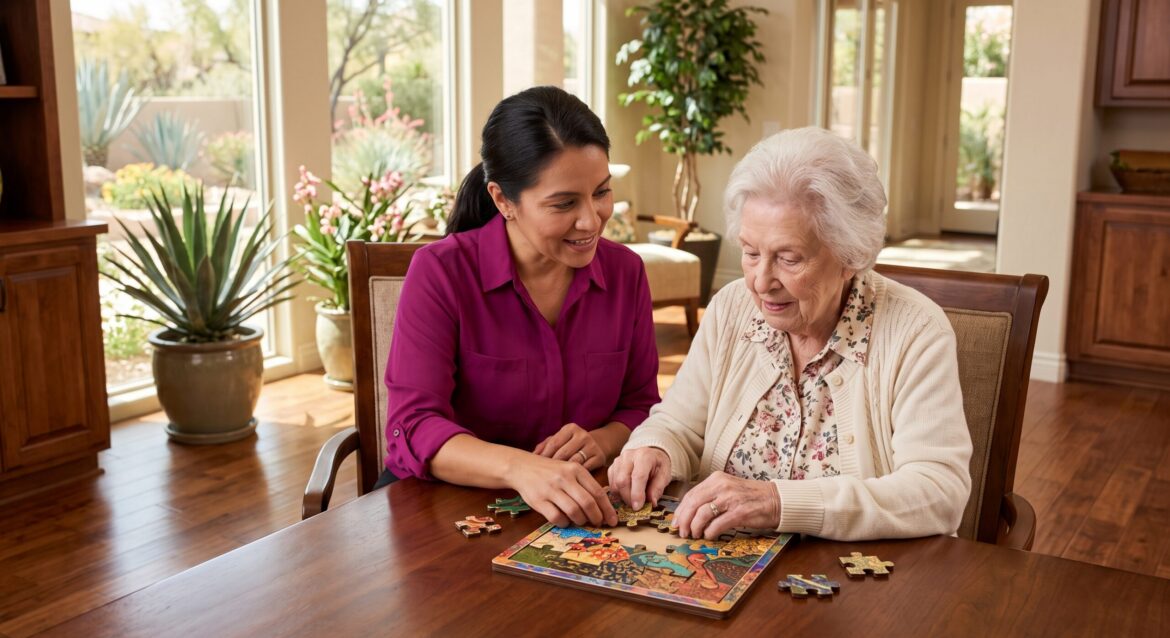
Supporting brain health in older adults requires a proactive, multi-faceted approach combining cognitive stimulation, physical wellness, and vibrant social engagement. For families evaluating long-term care options, maintaining cognitive abilities in seniors in Scottsdale involves creating structured daily routines that protect memory, boost mental acuity, and enhance overall quality of life.
The Four Pillars of Brain Health for Older Adults
Preserving mental sharpness as adults age relies on daily habits that stimulate neuroplasticity, the brain's capacity to form new neural connections and adapt to changes over time.
1. Purposeful Cognitive Stimulation
Targeted mental exercises strengthen existing neural pathways while encouraging the growth of new brain cells.
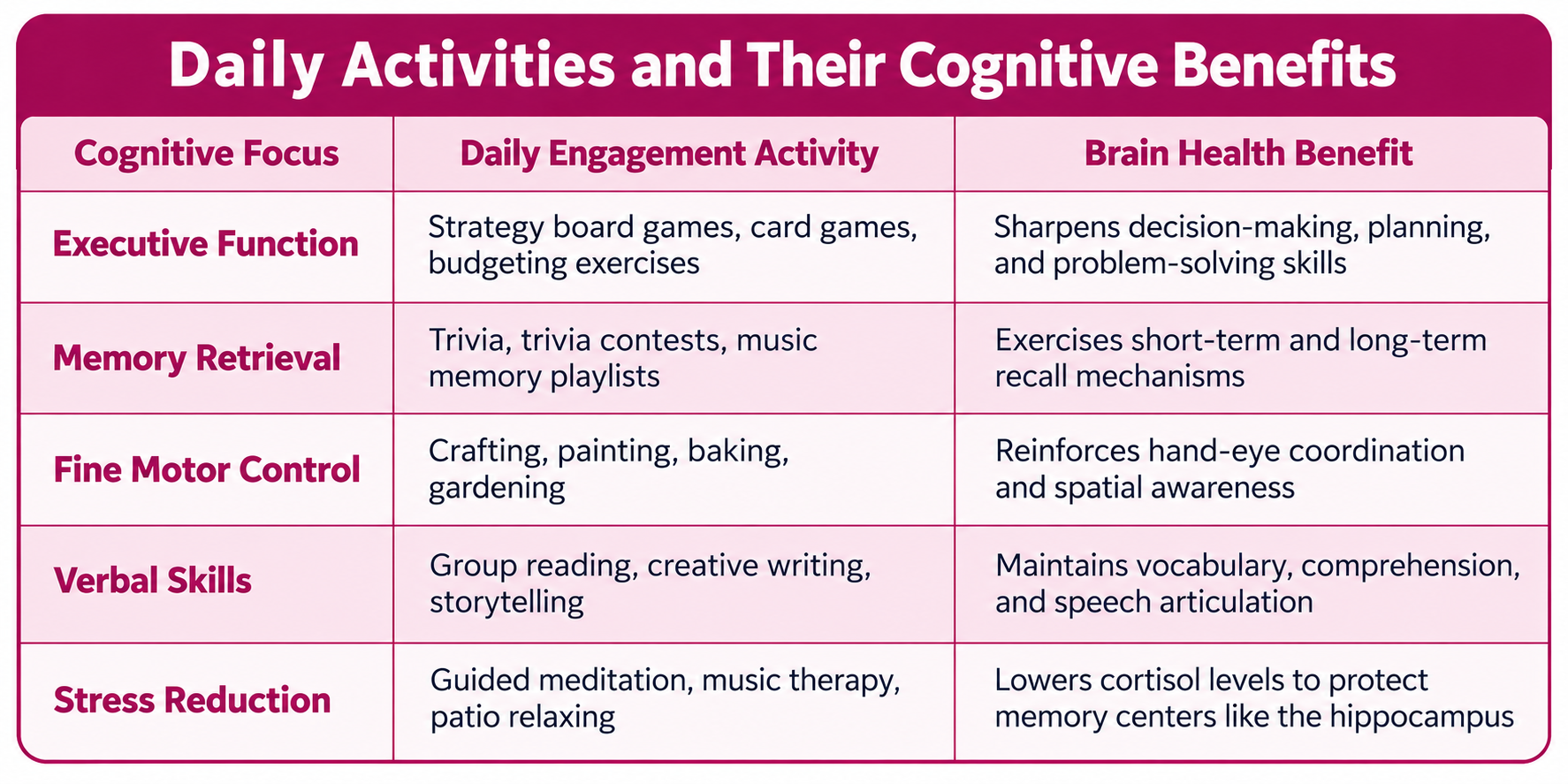
- Lifelong Learning: Engaging with novel tasks, such as learning a musical instrument, studying a new language, or solving complex puzzles, challenges cognitive reserves.
- Tactile and Creative Arts: Painting, pottery, gardening, and woodworking activate multiple brain regions simultaneously, combining motor skills with spatial reasoning.
- Reminiscence Therapy: Reviewing family photo albums and sharing personal life histories stimulates long-term memory retrieval and emotional grounding.
2. Regular Physical Activity and Movement
Physical exercise directly impacts brain health by improving blood flow, reducing inflammation, and stimulating neurotrophic factors that protect brain cells. According to research from the National Institute on Aging, consistent aerobic movement reduces the risk of cognitive decline significantly.
- Low-Impact Aerobics: Daily morning walks, water aerobics, and chair yoga enhance cardiovascular health without straining aging joints.
- Balance and Coordination: Tai chi and light stretching improve equilibrium, preventing fall-related head injuries while engaging motor control centers in the brain.
3. Brain-Healthy Nutrition and Active Hydration
Diet plays a fundamental role in maintaining brain tissue integrity and preventing vascular damage.
- MIND Diet Principles: Prioritizing leafy greens, berries, nuts, olive oil, and lean proteins provides essential antioxidants that shield brain cells from oxidative stress.
- Hydration Tracking: Dehydration in older adults frequently mimics signs of cognitive confusion or sudden disorientation. Consistent liquid intake throughout the day supports clear thinking and metabolic balance.
4. Meaningful Social Interaction
Isolation accelerates cognitive regression in aging adults. Engaging in regular, low-stress social activities stimulates verbal communication skills and emotional resilience.
- Group Discussions: Shared book clubs, current events groups, and storytelling sessions encourage active listening and articulate expression.
- Intergenerational Connection: Spending structured time with family members and younger visitors fosters joy and emotional vitality.
How Environment Impacts Cognitive Preservation
The surroundings in which a senior lives play a decisive role in their mental clarity and emotional stability. Large, institutional environments with excessive noise, complex corridor layouts, and frequent staff rotations increase cognitive fatigue and confusion.
In contrast, boutique residential care settings optimize cognitive health by offering:
- Low Sensory Overload: Quiet, home-like layouts prevent cognitive overstimulation, allowing seniors to focus their energy on meaningful activities.
- Consistent Staffing: Long-tenured caregivers build emotional trust and recognize subtle shifts in a resident's mental clarity before minor issues escalate.
- Predictable Routines: Structured daily schedules for meals, activities, and rest reduce anxiety, which directly supports stable cognitive functioning.
According to clinical studies published by the Alzheimer's Association, seniors living in small, supportive environments experience lower rates of agitation and maintain their daily functional abilities longer.
Specialized Cognitive Support at Torbrook Assisted Living
At Torbrook Assisted Living, maintaining cognitive abilities in seniors in Scottsdale is central to our care model. Fully accredited by the Arizona Department of Health Services, our three boutique Scottsdale residential communities offer an intimate, home-like environment where personalized attention is guaranteed.
Our homes are specifically built to foster brain health and independence:
- Individualized Engagement: Our low caregiver-to-resident ratios allow our experienced care team to tailor daily activities around each resident's personal history, interests, and cognitive capacity.
- Dual-Licensed Flexibility: As care needs change, our seamless transition between assisted living care and specialized memory care ensures residents age in place without the trauma of moving.
- Nutritious Dining: Fresh, chef-prepared meals accommodate brain-healthy dietary choices cooked right in our home kitchens.
- 24/7 Peace of Mind: Dedicated 24/7 awake staff are always available to provide gentle guidance, reassurance, and physical safety.
To explore how our boutique residential homes support brain health or to review our frequently asked questions, contact Torbrook Assisted Living today:
- Explore Our Homes: Meet our Team or read our specialized Blogs to see our thoughtfully designed living spaces.
- Tour Our Scottsdale Locations: Contact our office to arrange an in-person visit to evaluate our senior-safe environments.
- Discuss Your Layout Needs: Speak directly with our leadership team about your parent’s care timeline and pet requirements.
- Call our team today or message us through our contact page to learn more about our family-owned assisted living standard in Scottsdale.
See also:
- Safety, Dignity, and Ease: Why Assisted Living is Essential for Physically Challenged Seniors
- Enhancing Quality of Life: The Benefits of Specialized Memory Care
- The Benefits of Personalized Living Spaces in Assisted Living Communities
- When Is the Right Time to Choose Assisted Living for Seniors?
- Why Scottsdale is Ideal for Senior Assisted Living
- The Added Value of Luxury Living in Assisted Living Communities
Author: Torbrook Assisted Living Team