
Articles
Enhancing Quality of Life: The Benefits of Specialized Memory Care
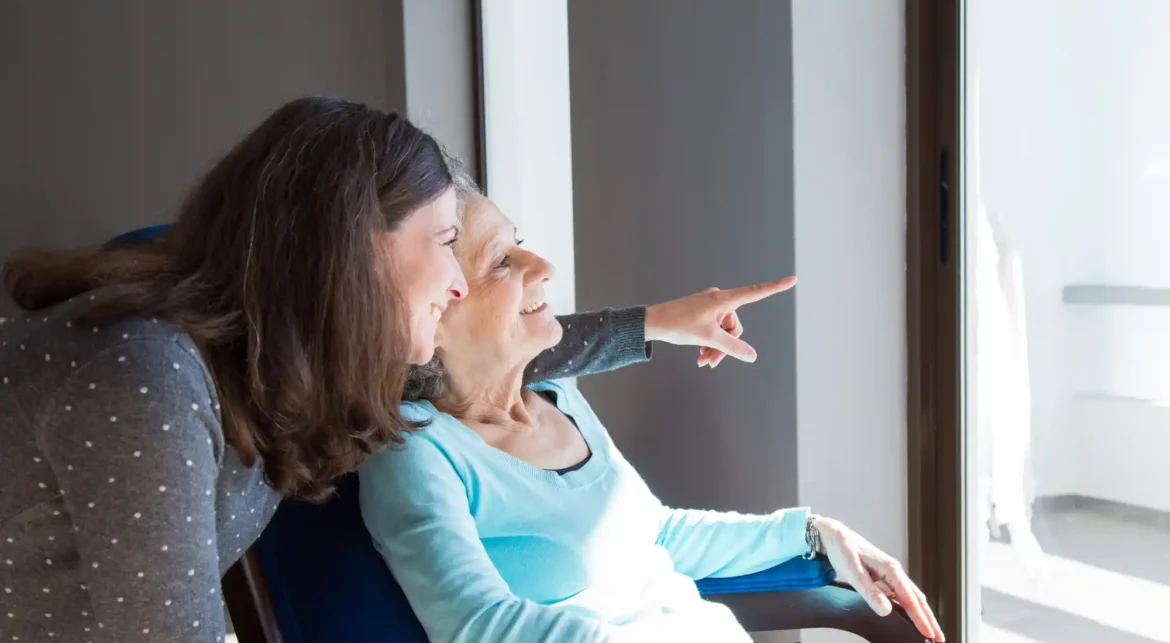
Caring for a loved one with Alzheimer’s or dementia is a journey marked by both profound love and real difficulty. As cognitive decline progresses, the familiar patterns of home life can become sources of stress or safety risks. Things that used to be second nature, cooking, managing medications, navigating the house at night, start to carry weight they didn’t before.
Research from the National Institute on Aging shows that specialized environments can significantly reduce the behavioral and psychological symptoms of dementia, including agitation, anxiety, and confusion. When care is built around the person rather than around a diagnosis, it shows in how they feel, how they respond, and how they experience each day.
Understanding what good memory care actually looks like can help families make this decision from a place of knowledge rather than fear.
Why Specialized Memory Care Matters
Traditional assisted living provides excellent support for physical tasks. But memory care is a distinct discipline. It requires a physical environment and a care approach specifically designed for cognitive impairment. The difference isn’t just additional staff. It’s a fundamentally different way of thinking about the space, the routine, and the interactions.
A Secure Environment Built for Independence
Safety is often the primary reason families seek memory care. Seniors with dementia are at significant risk for wandering, which can lead to dangerous situations if they leave the home unaccompanied.
Good memory care features secure perimeters and intuitive layouts that allow residents to move freely and explore without the risk of getting lost. This matters because restriction creates frustration. The goal isn’t to lock someone down. It’s to create a space where they can feel independent within an environment that’s quietly keeping them safe.
Evidence-Based Cognitive Stimulation
Research published in the Journal of Clinical Medicine shows that structured cognitive stimulation can slow the functional decline associated with dementia. That means the daily routine in a good memory care community isn’t just about passing time. It’s therapeutic.
Reminiscence therapy uses photos, music, and familiar scents to trigger positive memories. Cognitive games like puzzles and word activities help maintain neural pathways. Sensory engagement through gardening and art projects stimulates multiple senses at once, which can reduce sundowning and promote a calmer evening.
These aren’t filler activities. They’re the backbone of how good memory care works.
Improving Daily Life Through Clinical Excellence
The best memory care bridges the gap between medical necessity and residential comfort. Clinical quality should never come at the cost of a resident’s dignity. It should be the foundation that allows them to live a more stable, fulfilling life.
What that looks like in practice:
Professional Medication Management
Managing a complex medication schedule is often the single biggest burden for families caring for a loved one at home. A missed dose or an accidental double-up can trigger a medical crisis. And for someone with cognitive impairment, self-managing prescriptions isn’t realistic.
In a memory care setting, a clinical team handles this entirely. Correct dosages at precise times. Monitoring for side effects and subtle health changes. Proactive adjustments to care plans before small issues become emergencies. This is one of the most immediate, tangible benefits families feel after the transition.
Nutrition Tailored to Cognitive Needs
Nutrition is a cornerstone of cognitive health, but many seniors living with dementia experience appetite loss or simply forget to eat. Cooking becomes unsafe. Meals shrink. Weight drops.
In memory care, meals are chef-prepared, nutritious, and designed around the realities of dementia. That might mean offering nutrient-dense finger foods when utensils become frustrating, or using specialized plateware that helps residents feed themselves without stress. The point is preserving independence and dignity at the table, not just delivering calories.
When mealtime becomes enjoyable and social again rather than confusing, it changes the shape of the whole day.
Proactive Wellness and Physical Safety
Clinical excellence also means a physical environment that reduces injury risk while encouraging movement. Regular wellness checks and mobility assessments help prevent falls, which are a leading cause of hospitalization for seniors.
The goal is to combine medical oversight with a compassionate, non-institutional feel. Safety that works in the background. Warmth that’s felt in the foreground. Both at the same time.
Overcoming Social Isolation
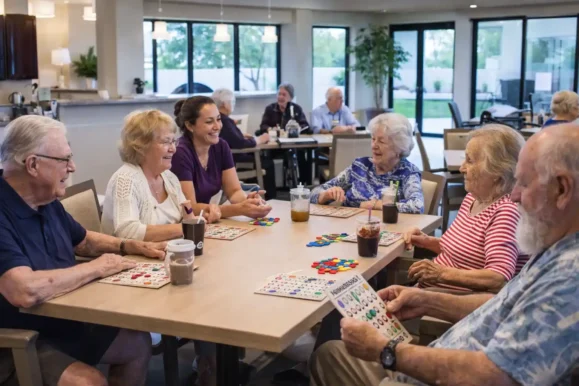
Social isolation is one of the most serious health risks for seniors with dementia. According to the National Academies of Sciences, Engineering, and Medicine, it’s linked to a 50% increased risk of dementia progression and significantly higher rates of heart disease and stroke.
When a senior lives alone, the effort required to coordinate even a simple visit can feel overwhelming. Many withdraw into a cycle of loneliness that accelerates both cognitive and physical decline. The world gets smaller, and once it does, it’s very hard to reverse from the outside.
In a community setting, socialization isn’t something that has to be planned and arranged. It happens naturally. The barriers of transportation and logistics disappear. Connection becomes part of the daily rhythm rather than a special occasion.
The Power of Peer Support
One of the most transformative things about a memory care community is the presence of peers who understand. At home, a senior may feel embarrassed by memory lapses or confused about why they can’t do things they used to. That sense of being “different” or “less than” is isolating on its own.
In memory care, those barriers disappear. Everyone is navigating similar challenges. A morning walking group, a shared meal, a laugh over something small. These interactions happen in a space where nobody is being judged, and that freedom changes how someone carries themselves through the day.
Purposeful Engagement
Good memory care doesn’t just provide a place to live. It provides a reason to be involved. Group fitness, collaborative projects, music, celebrations. These aren’t distractions. They’re the structure that gives each day meaning.
For a senior who has spent years in relative isolation, the simple joy of a shared activity or a group meal can reignite something that had gone quiet. That shift, from surviving to actually living, is what the right memory care environment makes possible.
Supporting the Caregiver
If you’re the one providing care at home, we need to talk about you for a moment. Because caregiver burnout is real, it’s documented, and it affects your health in ways that compound over time. Sleep deprivation, chronic anxiety, physical exhaustion. When you’re carrying the weight of 24/7 supervision alone, the relationship with your loved one can become strained by the sheer volume of what has to get done each day.
Choosing memory care is not giving up. It’s not a failure of commitment. It’s a decision to make sure the person you love gets specialized, professional support while you get your own health back.
When the clinical tasks are handled by people trained to do them, something shifts in the relationship. You stop being a medication manager, a safety monitor, a taskmaster. And you get to go back to being a daughter, a son, or a spouse. Your visits become about connection, not logistics.
Sharing a story. Sitting together. Actually being present instead of mentally running through a checklist.
Families tell us this is the change they didn’t expect: that the relationship actually got better after the move. Not because they stopped caring, but because they got to start caring in the way that matters most.
What to Look for in Memory Care
Not all memory care is the same, and the differences matter. When evaluating options, there are a few things that tend to separate good memory care from adequate memory care.
Staff training matters. Caregivers should be specifically trained in dementia behaviors, communication techniques, and person-centered approaches. It’s not enough to have people present. They need to understand what they’re seeing and how to respond.
The physical environment matters. Secure doesn’t have to mean institutional. Look for spaces where residents can move freely, where the layout is intuitive rather than confusing, and where the atmosphere feels warm rather than clinical.
Continuity matters. Ideally, memory care should be available within the same community where a resident already receives assisted living. That way, when needs change, the home doesn’t. Same space. Same faces. No second move.
And size matters. Smaller, boutique communities tend to offer a more personal experience. When caregivers know every resident by name, the care is different. The details get noticed. The routines get honored. That’s the difference between a place that provides memory care and a place that actually knows the person receiving it.
A Thoughtful Decision for Someone You Love
Choosing memory care is one of the hardest decisions a family makes. But for many families, it’s also the one that brings the most relief. Not because the journey gets easier, but because it stops being something you’re carrying alone.
The right environment doesn’t just keep someone safe. It helps them feel like themselves on the days when that’s hardest. It preserves dignity, encourages connection, and gives families their relationship back.
At Torbrook Assisted Living, memory care is available across three boutique Scottsdale communities: Torbrook Luxury, Torbrook Manor, and Cactus Villa. Each with staff who learn every resident’s history, preferences, and the small things that still bring comfort. Families are welcome to schedule a visit and see what that kind of care looks like in person.
Frequently Asked Questions
What is the difference between assisted living and memory care?
Assisted living focuses on help with daily tasks like bathing, dressing, and medication. Memory care adds security features to prevent wandering, along with specialized programming led by staff trained specifically in dementia behaviors and cognitive support.
How do you handle sundowning or agitation?
Trained memory care staff use non-pharmacological approaches like music therapy, calming sensory environments, and familiar routines to help residents navigate the difficult evening hours when confusion often peaks.
Can residents bring their own furniture to memory care?
Yes. Familiar belongings and furniture help a suite feel like home. Personal items provide significant comfort and can reduce the anxiety that often comes with transitioning into a new living environment.
Does memory care actually improve quality of life?
Yes. Research consistently shows that structured, person-centered memory care environments reduce agitation and anxiety while improving engagement, social connection, and overall well-being. The right environment doesn’t just keep someone safe. It helps them live better.
Author: Torbrook Assisted Living Team