
Articles
Benefits of Personalized Living Spaces in Assisted Living
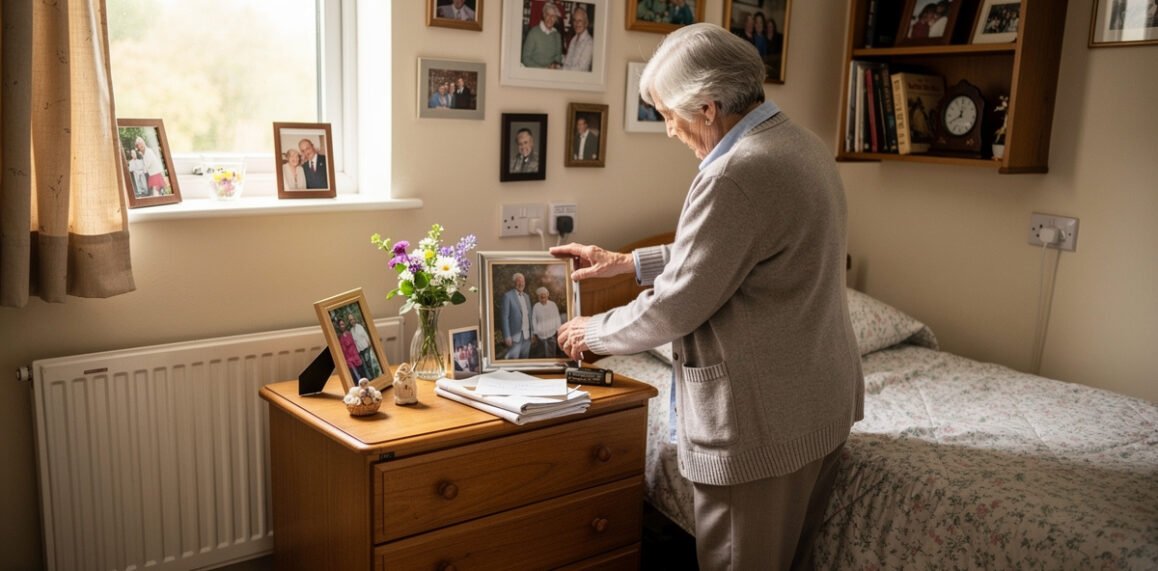
When families explore assisted living options, the conversation usually starts with care services, safety, and medical support. And it should. But one thing that sometimes gets overlooked can make a bigger difference than most people expect: the living space itself.
There’s a real gap between residing somewhere and feeling at home there. For seniors, that gap is often closed by small things. A familiar chair. Photos on the wall. A coffee mug they’ve used for twenty years. These details matter because comfort, familiarity, and a sense of ownership over your surroundings are directly connected to emotional health, independence, and how someone feels about their daily life.
Understanding why personalized spaces matter can help families look beyond checklists and square footage when choosing the right community.
Why Environment Matters in Senior Living
Research consistently shows that the physical environment plays a major role in how seniors experience daily life. A study on assisted living environments found that quality of life is strongly influenced by the physical setting and the ability of a community to meet individual needs.
This makes sense when you think about it. We all feel different in spaces that feel like ours versus spaces that feel like they belong to someone else. For seniors going through one of the biggest transitions of their lives, that difference is amplified.
Personalized spaces help residents feel connected to where they live, which improves mood, engagement, and overall satisfaction with daily life.
Creating a Sense of Home
Moving into assisted living is a major life change. Leaving a home where you’ve lived for decades, where the walls hold memories and the kitchen smells a certain way, can feel overwhelming.
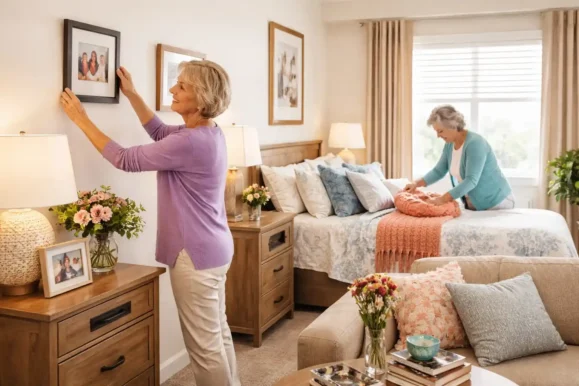
Personalized living spaces help ease that transition by letting residents bring their life with them. Family photos. A favorite recliner. The bedding they’ve always used. A quilt their grandmother made. These aren’t just decorations. They’re anchors. They’re the things that make a new place feel less new.
A familiar environment provides emotional comfort and can reduce feelings of stress or uncertainty, especially in those early weeks when everything else is unfamiliar. The faster a space starts to feel like yours, the faster the transition starts to feel like a beginning instead of a loss.
Supporting Emotional Well-Being
Emotional health is a critical part of healthy aging, and it’s one of the areas most affected by environment.
A personalized space helps seniors feel more relaxed and secure. Research suggests that private or personalized rooms may reduce stress and sensory overload, particularly for seniors managing anxiety or cognitive conditions.
Having some control over your surroundings also creates a sense of stability. When the world outside your door is new, having a space that feels like yours makes a real difference. Seniors who feel comfortable in their environment are more likely to engage in activities, join meals, and connect with other residents.
In contrast, unfamiliar or impersonal environments can sometimes lead to withdrawal. A room that feels like a hospital room tends to make someone feel like a patient. A room that feels like home tends to make someone feel like themselves.

Encouraging Independence and Choice
Independence is one of the things seniors worry most about losing. And personalized living spaces are one of the simplest ways to protect it.
When residents get to decide how their space looks and feels, they’re exercising choice. That sounds small, but it’s not. Arranging furniture the way you like it. Choosing what goes on the walls. Keeping your belongings organized the way you always have. Maintaining the small routines that make a day feel like yours.
Assisted living is designed to support independence rather than replace it, providing help only where it’s actually needed. Personalized spaces reinforce that principle. They’re a daily reminder that this is your home and your life, with support built around you rather than imposed on you.
Research shows that assisted living environments that balance support with independence produce significantly better quality of life and overall satisfaction.
Comfort, Safety, and Functionality
A well-designed personalized space does more than feel comfortable. It also works well and keeps people safe.
Senior living environments are typically built with features that reduce risk and improve accessibility: easy-to-navigate layouts, grab bars, emergency response systems, proper lighting. These are the baseline.
What personalization adds is warmth. A room with safety features can still feel clinical if there’s nothing personal in it. But the same room with familiar furniture, personal touches, and a layout that reflects how someone actually lives transforms into something that feels genuinely livable.
Studies on indoor environments for older adults show that factors like lighting, layout, and overall comfort significantly influence both physical and psychological well-being. The best spaces combine both. Safety that you don’t have to think about, and comfort that you feel every time you walk through the door.
Balancing Privacy and Social Connection
One of the quiet benefits of having your own personalized space is the balance it creates between being alone and being around people.
Both matter. Private time supports rest, recharging, and maintaining the routines that make someone feel grounded. Social interaction supports emotional health, cognitive function, and the sense that life still has texture and variety.
Assisted living communities are designed to offer both. Residents can retreat to their personal space when they need quiet, and step into shared areas for meals, activities, and conversation when they’re ready.
That balance is harder to find than it sounds. Living alone at home gives you privacy but often at the cost of isolation. Large institutional settings can provide social opportunities but not always enough personal space to decompress. A well-designed assisted living community gives you both, and having a personalized room to come back to makes the social parts of the day feel like a choice rather than a requirement.
Personalized Spaces and Overall Quality of Life
Personalization isn’t just about making a room look nice. It’s directly connected to how someone experiences their life day to day.
Assisted living communities that prioritize personalized environments tend to see residents who are more engaged, more socially connected, and more positive about their daily routines. When your space feels right, you’re more likely to invite someone in for coffee. You’re more likely to settle in rather than feel unsettled.
Research consistently links comfortable, personalized living spaces to better health, greater happiness, and stronger overall well-being in older adults. The environment isn’t a background detail. It’s a foundation.
A Thoughtful Approach to Senior Living
Choosing assisted living is about more than meeting care needs. It’s about finding an environment where a senior can feel at home, maintain independence, and actually enjoy daily life.
Personalized living spaces play a real role in making that happen. When comfort, familiarity, and supportive care come together in the same place, seniors don’t just manage. They settle in. They relax. They start living again.
Families exploring senior living options are encouraged to visit communities, walk through the living spaces, and pay attention to how they feel. The details matter. If you’re looking for a home-like environment for someone you love, schedule a visit at Torbrook Assisted Living and see what it feels like in person.
Frequently Asked Questions
Why are personalized living spaces important in assisted living?
Personalized spaces help seniors feel more comfortable, reduce the stress of a major transition, and create a sense of familiarity that supports emotional well-being. When a space feels like yours, everything else gets easier.
Do private rooms improve quality of life for seniors?
Yes. Private, personalized rooms give seniors a space to recharge, maintain routines, and feel a sense of ownership over their environment. Research consistently links this to better emotional health and greater satisfaction with daily life.
Can seniors decorate their rooms in assisted living?
In most communities, residents are encouraged to bring personal belongings, furniture, photos, and decorations. The goal is for the space to feel like home, not like a room that belongs to someone else.
How does environment affect seniors’ health?
The physical environment influences mood, safety, sleep quality, and overall well-being. Comfortable, familiar spaces tend to reduce anxiety and encourage greater engagement with daily life and social activities.
Author: Torbrook Assisted Living Team